Why strength training after 50 is the highest-return habit you can build
Here is the thing most people over 50 are never told: the slow decline in strength, balance, and energy is not simply aging. A large part of it is disuse. From around age 30 we lose muscle steadily, and after 50 that loss speeds up unless we give the body a reason to keep it. Strength training is that reason.
The good news is that muscle is remarkably responsive. Studies of adults in their 70s, 80s, and even 90s show meaningful strength gains within weeks of starting a proper program. Your body does not stop building muscle after 50. It just needs the right stimulus, coached well.
- More strength for everyday life: carrying groceries, lifting grandkids, getting off the floor with ease.
- Better balance and fewer falls, which is one of the biggest predictors of independence as we age.
- Stronger bones, since loading the skeleton is associated with maintained and improved bone density.
- Improved metabolic health, including blood sugar regulation and body composition.
- Confidence. There is nothing like discovering your body can still surprise you.
How do beginners start strength training after 50?
You start smaller than you think, and you build from there. The order below is the same one we use with new members at CrossFit BC.
- 1Get a movement screen. A coach watches how you move and finds your safe starting points before any real load goes on the bar.
- 2Learn the core patterns: squat, hinge, push, pull, and carry. These five cover almost everything your body does in real life.
- 3Master bodyweight and light loads first. Technique before weight, always.
- 4Train two to three times a week with at least one rest day between sessions.
- 5Add a little load or a few reps each week. Small, steady progress beats big, risky jumps.
- 6Track how you feel. Good coaching adjusts each session to the body that shows up that day.
How often should adults over 50 strength train?
For most people over 50, two to three full-body sessions a week is the sweet spot. It is enough to drive progress and leaves room to recover, which matters more as we age.
| Experience level | Sessions per week | Focus |
|---|---|---|
| Brand new | 2 | Movement quality, light loads, building the habit |
| A few months in | 2 to 3 | Progressive loading, balance, mobility |
| Confident and consistent | 3 to 4 | Strength, power, and varied challenges |
Recovery is part of the program, not a break from it. Sleep, protein, and easy movement on off days are what let the training actually stick.
Where can I do strength training over 50 in Vancouver?
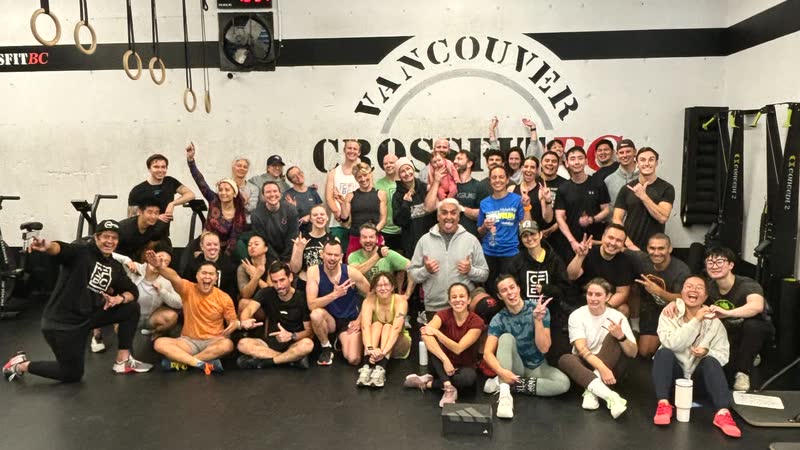
CrossFit BC is in Olympic Village on East 1st Avenue, coaching Vancouver since 2008. We run Living Legends, a coached strength program designed specifically for adults 60 and over, alongside our regular classes where every movement is scaled to the person in front of us.
You do not need to be fit, coordinated, or experienced to start. Everyone begins with three free classes so you can feel what coached, age-smart strength training is actually like before deciding anything.
Strength that shows up in real Vancouver life
The point of training after 50 is not the gym floor, it is everything outside it. We coach the exact patterns Vancouver life demands:
- Climbing the Grouse Grind, or just the stairs from the Olympic Village SkyTrain platform, without your knees complaining.
- Carrying groceries up from the Canada Line or a walk-up apartment in Mount Pleasant in one trip, not three.
- Lifting grandkids at Hinge Park or a paddleboard onto the car at Kits Beach without tweaking your back.
- Staying steady on a wet, mossy Stanley Park seawall in November, because balance and reactive strength are trainable.
- Keeping up on a Whistler ski day or a Grouse snowshoe without your legs giving out by mid-afternoon.
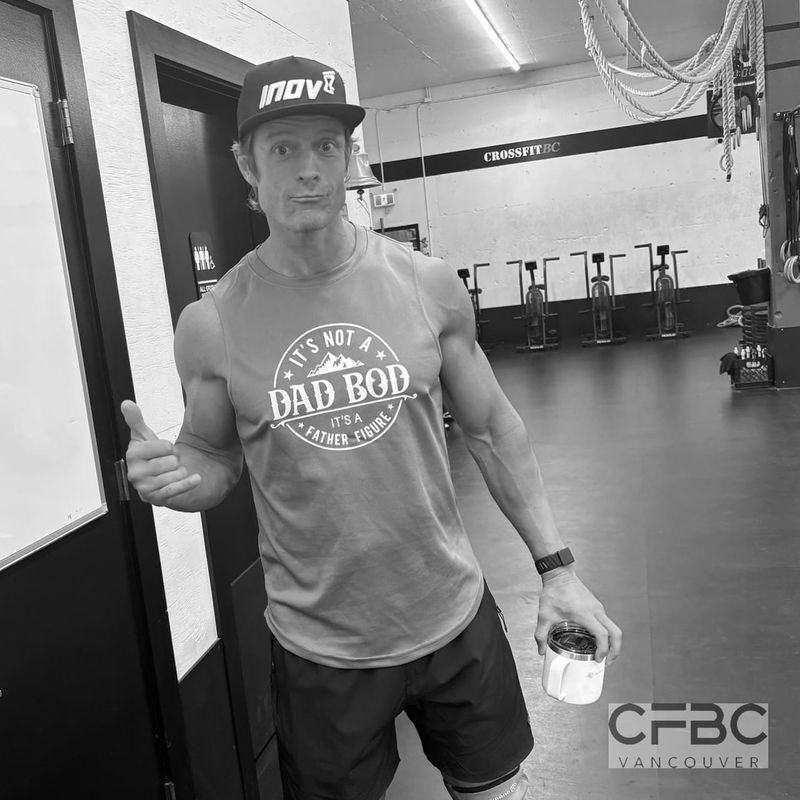
I discovered CrossFit at 54 after an illness left me with real muscle loss. The change in my strength has been dramatic. Now I coach other adults over 50 and watch them discover what their bodies can still do.