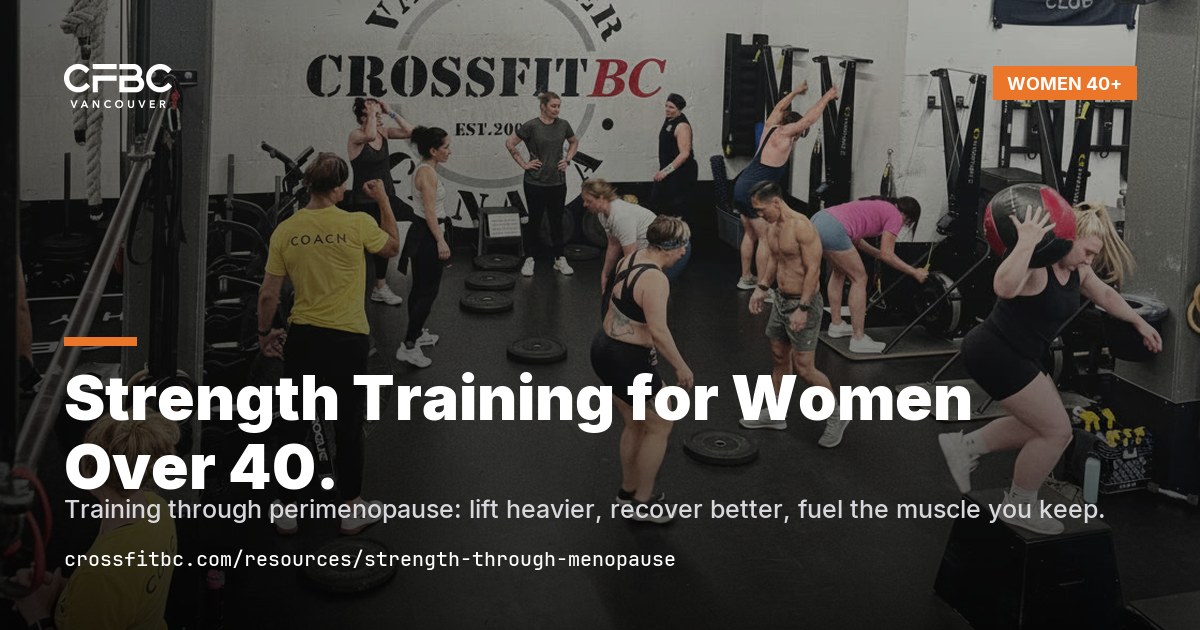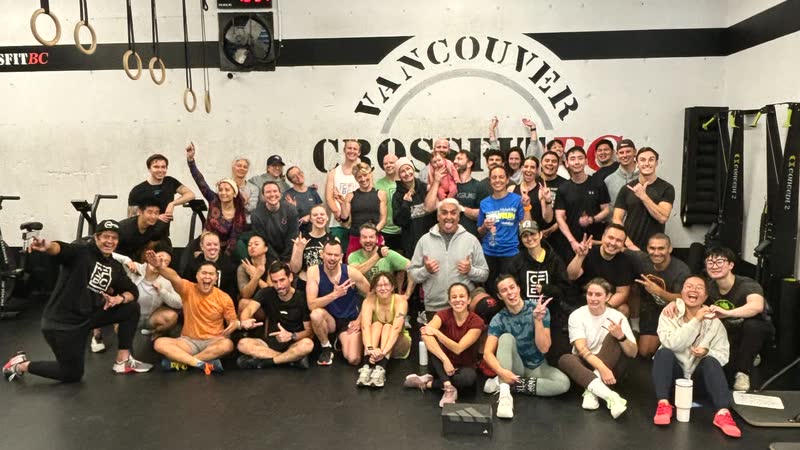
CrossFit BC community in Olympic Village Vancouver – members and coaches together after class
Coach-Led · Beginner-Friendly
CrossFit Vancouver Get Stronger. Belong Here.
Skip to main contentSkip to main content

Walking Is Great, But It Is Not Enough After 50

We love walking. It is one of the best habits you can have. But on its own, it does not protect the muscle and bone you need after 50. Here is what to add.

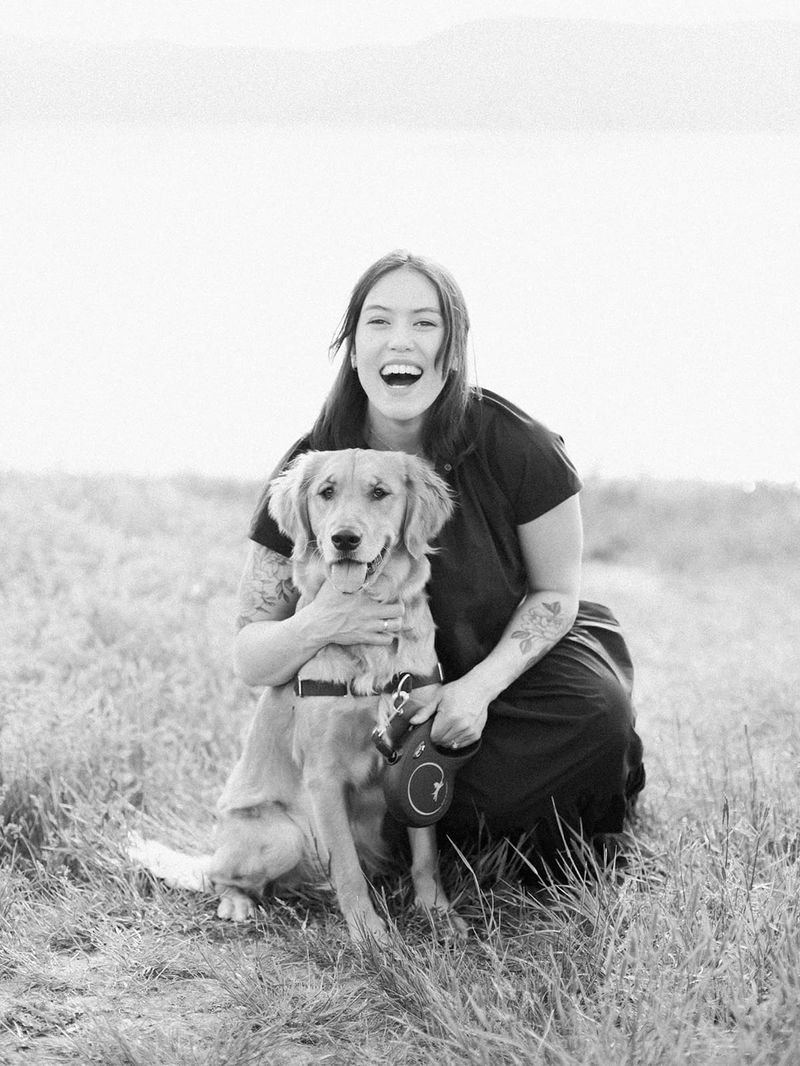
Coach Lee Richardson, CrossFit BC

Coach Lee Richardson (Vee-P)

CrossFit Coach · CF Level 1 · CF Kids · Olympic Weightlifting · HYROX

Reviewed by Coach Sophie Straith Published July 7, 2026 Updated July 7, 2026 7 min read

Walking is excellent for heart health and mood, but it is not enough on its own after 50. Walking does not provide the resistance needed to maintain muscle and bone, which decline with age. Adding two to three strength sessions a week fills that gap. The best plan combines walking for your heart with strength training for muscle, bone, and independence.

  • Walking is genuinely great for heart health, mood, and staying active.
  • But walking does not load muscle or bone enough to prevent age-related loss.
  • Muscle and bone need resistance, which walking does not provide.
  • Strength training two to three times a week fills the gap.
  • The ideal combination is walking plus strength, not one or the other.
  • You do not have to choose. Keep walking and add lifting.

What walking does and does not do

Let us be clear: walking is fantastic. Keep doing it. It supports heart health, mood, blood sugar, and general activity. If walking is your habit, you are ahead of most people. The issue is not that walking is bad. It is that walking alone leaves a gap.

BenefitWalkingStrength training
Heart healthStrongModerate
Mood and stressStrongStrong
Maintains muscleLimitedStrong
Maintains bone densityLimitedStrong
Balance and fall preventionSomeStrong
Walking versus strength training after 50

Muscle and bone respond to load. Walking simply does not load them enough to stop the age-related decline. That is the gap strength training fills, and why the two together beat either one alone.

What to add to your walks after 50

  1. 1Keep your walks. They are a great foundation for everything else.
  2. 2Add two strength sessions a week to start.
  3. 3Focus on the five core patterns: squat, hinge, push, pull, and carry.
  4. 4Load your walks occasionally by carrying a weighted pack, once you have a base.
  5. 5Progress the strength work gradually while keeping the walking you enjoy.
Sources and references

Your Next Step

The Strong Aging Starter Kit

Start strength training safely and confidently after 50.

The Strong Aging Starter Kit

No spam. Just the guide + helpful tips from our coaching team.

Ready to Start?

Try 3 Classes Free

No commitment, no pressure. Just come meet our coaching team and see what a class feels like.

Try 3 Classes Free

Frequently Asked Questions

Is walking enough exercise after 50?
Walking is excellent but not enough on its own after 50. It supports heart health and mood, yet it does not load muscle and bone enough to prevent age-related loss. Adding two to three strength sessions a week fills that gap and makes your routine far more complete.
Should I stop walking and just lift weights?
No. The best approach combines both. Keep walking for your heart and mood, and add strength training for muscle, bone, and balance. They complement each other rather than compete.
How much strength training should I add to walking?
Two strength sessions a week is a great start, building toward three as you get comfortable. That is enough to protect muscle and bone while keeping the walking routine you enjoy.
Does walking help with bone density?
Walking provides some benefit but limited loading for bone, especially in the hips and spine. Progressive resistance training provides a much stronger stimulus for bone density, which is why it is recommended alongside walking after 50.
Where can I add strength training in Vancouver?
CrossFit BC in Olympic Village coaches adults 60+ in our Living Legends program and scales every class to the individual. Everyone starts with three free classes, so you can add strength with support.