Coach-Led · Beginner-Friendly
CrossFit Vancouver
Get Stronger.
Belong Here.
What Is Healthspan, and How to Prioritize It from CrossFit BC. Lifespan asks how long. Healthspan asks how well. Five pillars, daily levers, and why this matters more than your deadlift PR.
What Is Healthspan and How Do We Prioritize It?
This article is part of the CrossFit BC journal, written by the coaching staff who run our classes in Olympic Village, Vancouver. We publish what we teach on the floor: training decisions, recovery, nutrition, and the honest tradeoffs behind them.
Healthspan is the number of years a person lives in good health, free from chronic disease and significant functional limitation. It measures not just whether you are alive, but whether you are able to live independently, move freely, think clearly, and engage fully in the life you want to live.
Lifespan is how long you live. Healthspan is how long you live well. The global average gap between the two is about 9 years, meaning most people spend roughly a decade at the end of life dealing with chronic disease or significant functional decline.
Because living longer does not automatically mean living better. Without healthspan, added years often come with chronic disease, lost independence, and declining quality of life. Prioritizing healthspan means protecting your ability to move, think, connect, and live fully for as long as possible.
The strongest evidence-based strategies include regular resistance training, cardiovascular exercise, adequate sleep (7 to 9 hours), sufficient protein intake, stress management, strong social connections, and maintaining a sense of purpose. Consistency across all of these areas matters more than perfection in any one of them.
The biopsychosocial model is a framework that views health as the interaction of biological, psychological, and social factors. Applied to aging, it shows that healthspan is not just a physical issue but is shaped by stress, mental health, relationships, environment, behavior, and sense of purpose.
Yes. Resistance training is associated with a 15% lower risk of all-cause mortality. Cardiovascular fitness, measured by VO2max, is one of the strongest predictors of how long and how well you will live. Exercise variety, including strength, conditioning, mobility, and skill work, is linked to even better outcomes.
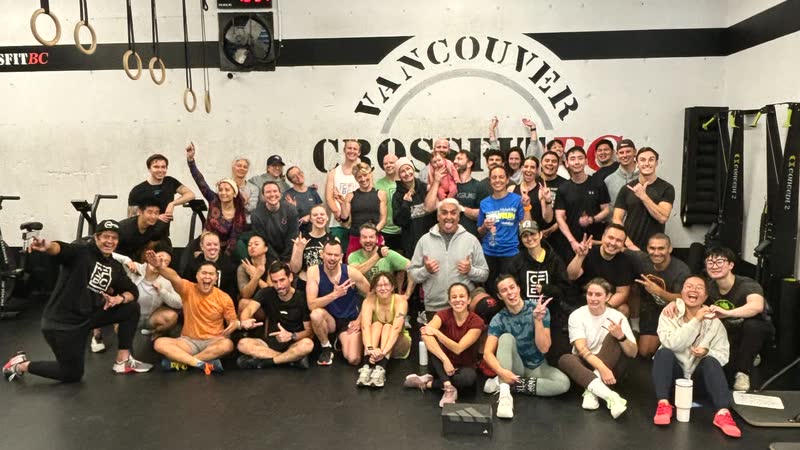
Social isolation increases mortality risk by 26% and loneliness increases it by 29%, according to a 2023 meta-analysis of 90 cohort studies. Strong social connections are associated with longer life, faster recovery from illness, lower depression rates, and better cognitive function as you age.
Lift weights at least twice a week, build cardiovascular fitness, sleep 7 to 9 hours, eat enough protein, move in many ways, manage stress, prioritize recovery, stay socially connected, maintain mobility, and pursue purpose and meaning in your daily life.