Coach-Led · Beginner-Friendly
CrossFit Vancouver
Get Stronger.
Belong Here.
Vancouver's Blue Zone: A Longevity Community from CrossFit BC. Blue Zones share five longevity habits. A Vancouver gym is quietly building every single one. Movement. Belonging. Purpose.
What Would It Take for Vancouver to Become a Blue Zone?
This article is part of the CrossFit BC journal, written by the coaching staff who run our classes in Olympic Village, Vancouver. We publish what we teach on the floor: training decisions, recovery, nutrition, and the honest tradeoffs behind them.
A Blue Zone is a region where people consistently live longer, healthier lives. Identified by researcher Dan Buettner and backed by National Geographic studies, the five Blue Zones share common patterns: natural daily movement, strong social connection, clear purpose, plant-forward diets, stress-reducing rituals, and tight-knit community structures that make healthy choices the default.
No. While Vancouver has strong natural advantages like walkability, outdoor culture, green space, and a health-conscious population, it lacks key Blue Zone ingredients: rising loneliness, fragmented communities, insufficient intentional health hubs, and a convenience culture that works against organic daily movement and connection.
Vancouver would need more daily movement by design (walkable infrastructure), more community hubs that create belonging, better access to real-food environments, lower-friction social rituals, stronger support for aging with purpose, more health-centered third places, and less isolation with more meaningful human accountability.
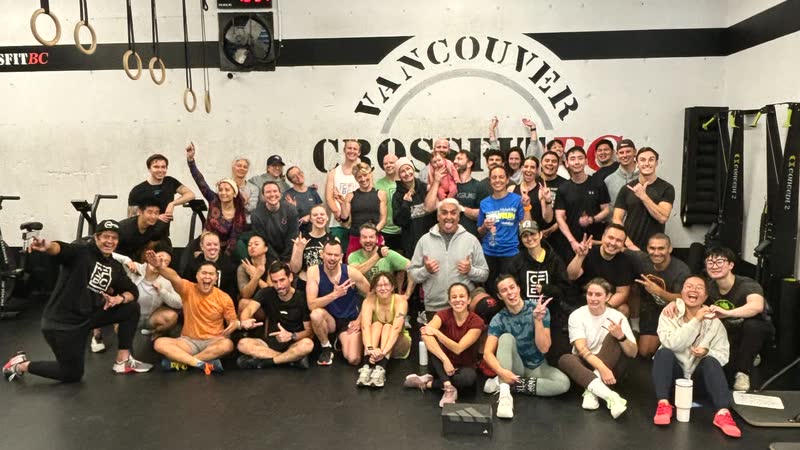
Yes. Research shows that social sports and group exercise are associated with significantly greater life expectancy than solo activities. Coaching-led fitness communities create daily movement rituals, regular social contact, intergenerational connection, shared challenge, accountability, and belonging, many of the same elements found in Blue Zone communities.
Start with daily walking, find or build a movement community where people know your name, eat more real food with others, create low-effort social rituals, find a purpose practice, invest in relationships, and choose your social circle wisely. The research shows your closest relationships influence your health behaviors more than almost anything else.