Coach-Led · Beginner-Friendly
CrossFit Vancouver
Get Stronger.
Belong Here.
Community Isn't a Logo: What Real Belonging Looks Like from CrossFit BC. A group chat is not community. A matching hoodie is not either. On belonging, loneliness, and why most communities leave us emptier than when we joined.
When a Community Isn't Really a Community
This article is part of the CrossFit BC journal, written by the coaching staff who run our classes in Olympic Village, Vancouver. We publish what we teach on the floor: training decisions, recovery, nutrition, and the honest tradeoffs behind them.
An audience is people who consume what you put out. A community is people who notice when you go quiet. Audiences scale with attention and ads. Communities only grow at the speed of trust, repeated contact, and shared emotional experience over time.
Loneliness is more about emotional safety than headcount. Research from John Cacioppo and others shows you can have many social connections and still feel chronically alone if those connections don't make you feel seen, valued, and missed when absent. Proximity isn't belonging.
Real community survives hard conversations, welcomes new people before they earn it, and notices when members disappear. Performative community is transactional, image-driven, status-based, and only exists while you're paying or performing. If vulnerability feels unsafe, it isn't a community.
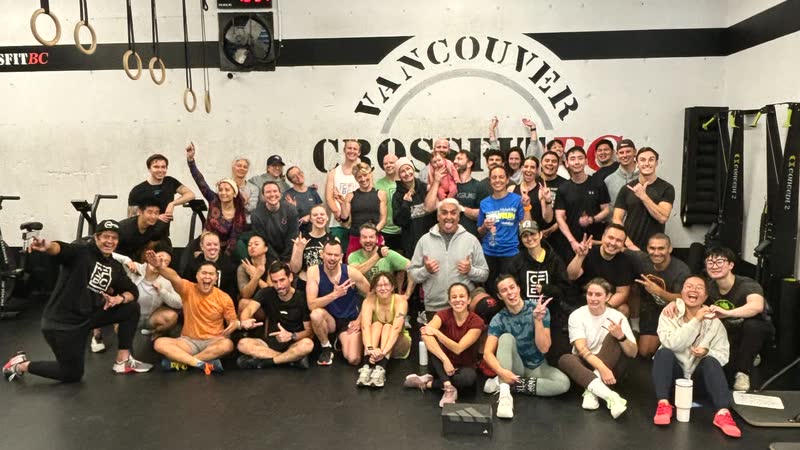
Yes, but the workouts aren't what makes it one. Real gym community shows up in the small stuff: coaches learning your name, members texting when you've been missing for two weeks, people lingering for 15 minutes after class to actually talk. That has to be built on purpose, every day, for years.
Show up consistently with the same small group of people over time. Learn names. Notice absences. Reach out without an agenda. Stay through the boring middle. Contribute more than you consume. There's no shortcut. Presence, repeated on purpose, is the whole recipe.