Smaller Promises, Bigger Results: The Quiet Power of Tiny Commitments
You don't have a willpower problem. You have a promise-size problem. Here's how to fix it.
The biggest reason most fitness goals fail isn't the plan. It's the size of the promise.
You decide on Sunday night that this is it. Six days a week at the gym. No sugar. Bed by 10. New supplement stack. By Wednesday you're already lying to yourself.
This isn't character weakness. It's arithmetic. You over-promised, you under-delivered, and now your brain has filed away one more piece of evidence that your word doesn't mean much. Do that enough times and the issue isn't your fitness anymore – it's your relationship with yourself.
The hidden currency: self-trust
Every promise you make to yourself is a tiny deposit or withdrawal in a bank account called self-trust. Big promises kept = huge deposit. Big promises broken = huge withdrawal. Small promises kept, repeatedly, over months and years = compounding interest.
Most people are walking around overdrawn. They don't need a more aggressive plan. They need to make a smaller promise and keep it for ninety days straight – and watch what that does to everything else.
Why small wins beat heroic plans
The brain doesn't care whether the promise was "I'll work out six days a week" or "I'll walk for ten minutes after dinner." Either way, when you keep it, your nervous system gets the same signal: my word means something.
That signal is the actual asset. Once it's there, bigger habits stack onto it almost effortlessly. Without it, you can have the world's best programme and still quit by week three.
What "smaller" actually means
- So small it feels embarrassing. Two squats while the kettle boils. One glass of water before coffee. A five-minute walk after dinner.
- Tied to something you already do. "After I brush my teeth, I do ten push-ups." Not a calendar reminder. A trigger.
- Repeatable on your worst day, not your best one. If it only works on a perfect Tuesday, it's not a promise. It's a wish.
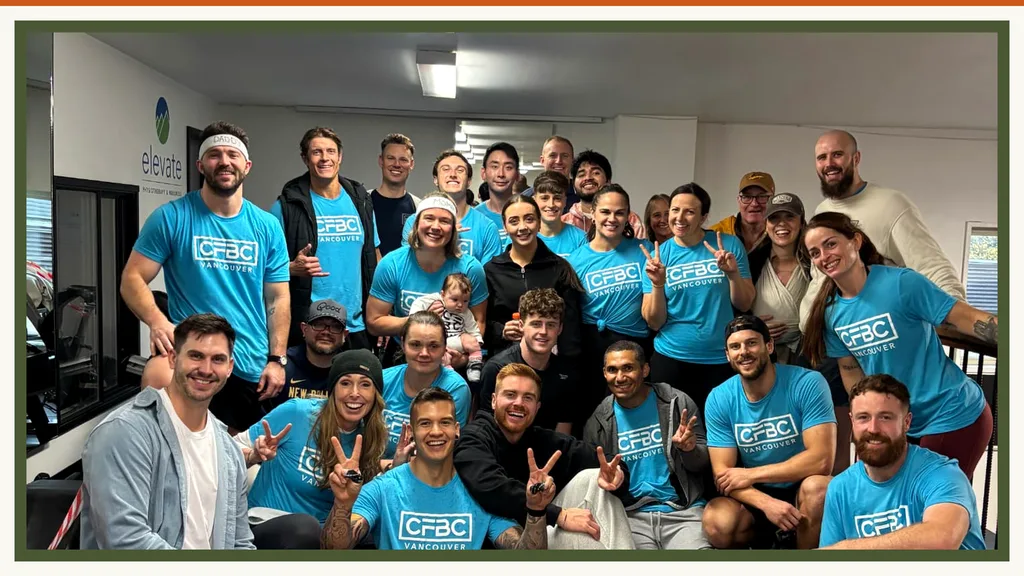
The CFBC version of this
The members who get the best long-term results almost never made a dramatic commitment up front. They made one small promise – "I'm going to two classes a week, no matter what" – and kept it for a year.
One year of two classes a week is 104 sessions. That's a different body. That's a different identity.
Try this for the next 30 days
- Pick one promise, smaller than feels useful.
- Tie it to something you already do daily.
- Track it on a calendar with an X for each day you do it.
- Don't add anything else for thirty days. Keep the promise.
Smaller promises. Bigger results. It's not magic. It's math.