
Move with control
Overnight recovery: how sleep helps you move better
Much of your recovery from training happens while you sleep. Adults are advised to sleep at least seven hours a night, and short sleep is linked to worse training performance and mood. A calm wind-down routine with light movement and slow breathing can make it easier to fall asleep.
By Dai Manuel (Coach Moose) · Last reviewed
How can I test myself?
Three-morning recovery check
Draft, awaiting coach confirmation.
For three mornings in a row, note your sleep hours and rate your energy and stiffness out of 10 before coffee or training.
Pass standard: Draft standard for coach confirmation: seven or more hours of sleep with steady energy scores. Falling scores alongside hard training suggest you need more recovery, not more effort.
Which movements can it limit?
Feeling stiff in the morning
Some morning stiffness is normal after hard training. Easy movement usually loosens it within a few minutes.
Short sleep before training
One bad night is not a disaster, but keep the session lighter. Repeated short sleep is worth addressing.
Hard sessions feel harder
Short sleep is linked to worse exercise performance. Heavy squats, sled pushes and long intervals all cost more when you are under-recovered.
These are coaching applications of movement demands, not validated HYROX performance predictions. The studies below examine general mobility and resistance training.
How can I work on it?
Relaxation
Supine breathing reset
Lie on your back with knees bent and breathe in through the nose for four counts, out for six.
- Regression
- Breathe naturally with a hand on your belly.
- Progression
- Extend the exhale to eight counts.
- Sets and reps
- 5 minutes.
- Frequency
- Before bed.
Easy movement
Gentle cat-cow
On hands and knees, slowly round and arch your back within a comfortable range.
- Regression
- Do it seated in a chair.
- Progression
- Slow each rep to a full breath.
- Sets and reps
- 1 minute.
- Frequency
- Before bed.
Relaxation
Legs up the wall
Lie with your legs resting up a wall and arms relaxed.
- Regression
- Rest your calves on a chair instead.
- Progression
- Add slow breathing.
- Sets and reps
- 3 to 5 minutes.
- Frequency
- Before bed.
When should I retest?
Retest every deload week, using the same setup. Look for a more comfortable position, steadier control and changes in measured range. Compare like with like, not a warmed-up attempt with a cold one.
When should I see a physio?
Stop if a test or drill causes pain. Pain, numbness, or no change after six weeks is a reason to see a physio. This screen is not a diagnosis.
What would Coach Moose say?
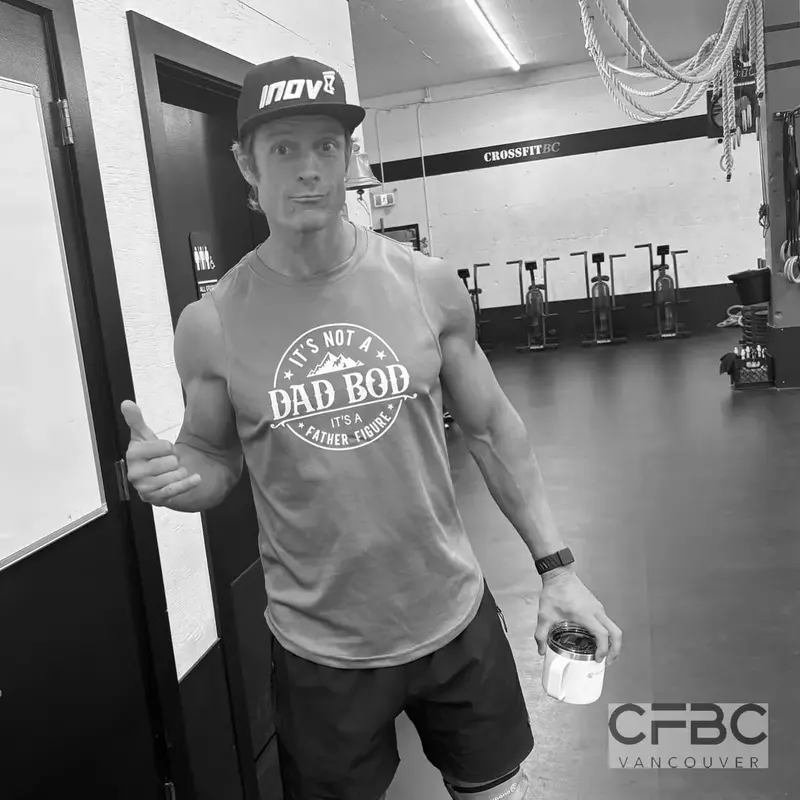
If you only change one recovery habit, I would protect your sleep. It does more for you than any gadget.
What else should I know?
How much sleep do I need?
A joint consensus statement recommends seven or more hours a night for adults. Some athletes do better with more.
Will stretching before bed make me more flexible?
The main aim here is relaxation. Range gains come mostly from regular training through full range.
What if I cannot sleep well for weeks?
Talk to your doctor. Ongoing poor sleep deserves proper attention.
When should I see a physio?
Stop at pain. Pain, numbness or no change after six weeks is a reason to see a physio for individual assessment.
What does the research say?
- Watson et al. (2015). Recommended amount of sleep for a healthy adult: a joint consensus statement of the American Academy of Sleep Medicine and Sleep Research Society.
- Fullagar et al. (2015). Sleep and athletic performance: the effects of sleep loss on exercise performance, and physiological and cognitive responses to exercise.
- Dattilo et al. (2011). Sleep and muscle recovery: endocrinological and molecular basis for a new and promising hypothesis.